
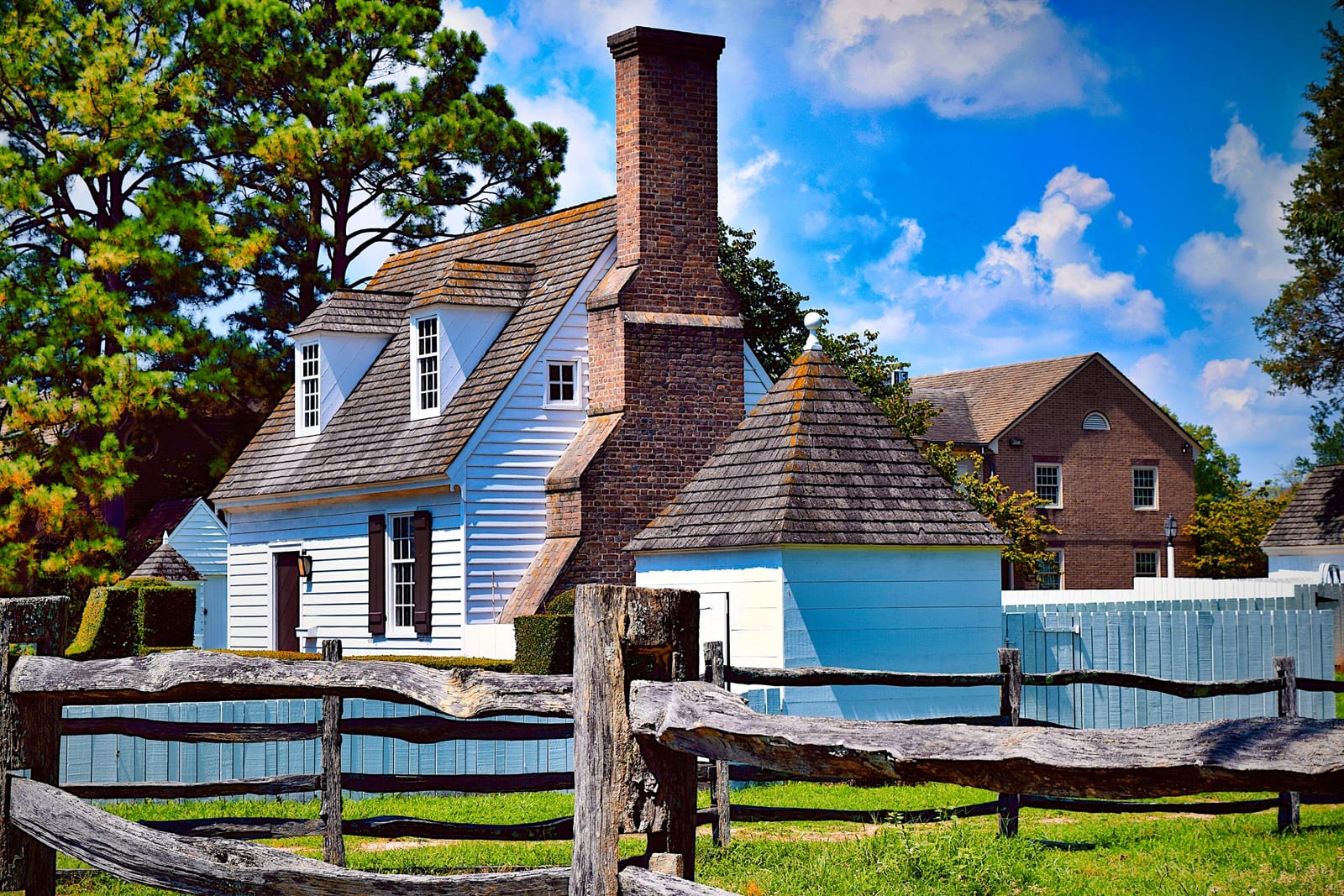
Chimney Leak and Crack Repair in Palos Verdes Estates
Tell us what you see, smell or hear. We find the part that failed and mend it.
Find your sign on a card, and the mend is underneath it
Each card opens on something an owner notices: water by the stack, black flakes, a pilot that drops out, a damper that sticks. Below it sits the part we usually find at fault and how we put it right.
Chimney Sweep
Smoky smell or black flakes on the hearth? We sweep out the creosote causing it and show you any damage it left behind.
Read the fixChimney Inspection
Leak, crack or odd smell? An NFPA 211 inspection traces the cause and ranks each repair by how soon it matters.
Read the fixChimney Repair
Water stains, a cracked crown or loose brick: we trace the leak, fix the failed part and quote the repair in writing first.
Read the fixFireplace Inspection
Stiff damper, a new crack in the firebox, smoke at the opening: we find the failing part and tell you how urgent it is.
Read the fixFireplace Repair
Cracked firebrick, a damper that will not shut, smoke rolling into the room: we diagnose the cause and fix that part properly.
Read the fixChimney Level 2 Inspection
After a chimney fire, leak, quake or before a sale, a camera run through the whole flue finds damage you cannot see.
Read the fixFind what gave way, then mend only that.
Birchwood Chimney Group works out of Palos Verdes Estates, the peninsula city laid out in 1923 by Frederick Law Olmsted Jr. and Charles Cheney, where an art jury has long looked over style, material and color on every house.
That shapes how we mend things up here. A stain on a ceiling, a flake of brick in the gutter or a pilot that drops out is followed back to the one piece that let go: crown, cap, flashing, firebox, damper or liner.
Once the cause is in a photo, the fix is matched to the house it sits on: brick and mortar color kept, caps and flashing in metals that stand up to peninsula fog, and nothing above the roofline changed without you seeing it first.
- The failed part named before any quote
- Phones answered 7 AM to 7 PM, every day
- Photos of the fault on the roof and in the flue
- Each finding sorted by how soon it bites
Source Before Sealant
Caulk over the wrong joint just moves the drip. The sign is traced to the part that let go before any repair is written up, so the mend is aimed at the real fault.
Plain Talk on Timing
Not every finding is urgent. Each one is grouped by how soon it matters, with what waiting is likely to lead to, and the timing is your call.
Repairs Written Up First
Every repair is described on paper before a tool comes out: the part, the work and the material. If opening the stack turns up something new, you see it before we carry on.
Built for Peninsula Fog
Fog and salt reach the bluffs and the beach cities most days. Caps, chase covers and flashing go in stainless or copper, and mortar is mixed to suit the brick it meets.
Sign, Source, Photo, Mend, Check
The order never changes on a Palos Verdes Estates roof or a Torrance one. The cause is found and pictured before anything is opened up or replaced.
Name the Sign
Ring or use the form and say what you have noticed: a ceiling stain, a crack, smoke in the room, a pilot that drops out. Add a picture if you can. It tells us which tools and parts to bring up the hill.
Follow It to the Source
At the house we begin where the sign points and work outward through the crown, cap, flashing, masonry, firebox, damper and flue. If the trail leads inside the liner, we explain why a camera run is the next step.
See the Fault Yourself
You get photos of the failed part and a plain account of what it means. Each finding is grouped as before the next fire, before the next rain, or keep an eye on it. Nothing joins the job unless you say so.
Mend the Part That Failed
The repair is written up before work starts. Most crown, cap, flashing, damper and firebox work is a single visit; larger masonry and rebuilds wait for a dry spell so the mortar can cure.
Check the Mend
Once it is done, we test what we fixed: a draft check on a wood fireplace, a full cycle and CO reading on a gas unit, a water run over new flashing. A record of the work stays with you.
Start with the first step: tell us the sign.
Call (626) 231-0489From Palos Verdes Estates down the hill to the beach cities and inland tracts
Each town wears a chimney out its own way. Search yours to read the sign owners there usually call about first.
Based in Palos Verdes Estates
Tell us the sign, we go find the source
On the bluffs, fog and salt eat steel caps and dampers. Down in the inland tracts, old mortar and cracked crowns do the damage. Ring with what you spotted. If you have a picture of it, we will tell you where to send it when we call.
Rolling Hills Estates
the equestrian lanes and ranch lots on the inland side of the peninsula
Sand in the gutter under the stack, or a damp patch on the ceiling on the uphill side of a broad brick chimney.
Rancho Palos Verdes
the hillside and bluff neighborhoods of Rancho Palos Verdes
A brown ring on the ceiling after the first big storm, or daylight showing where the chimney meets the siding.
Redondo Beach
the beach city between Hermosa Beach and the peninsula, from the pier to North Redondo
An orange streak running down the chase, or a puddle in the firebox the morning after rain.
Torrance
the large South Bay city of post-war tracts, Old Torrance and the Hollywood Riviera
A damper that will not budge, twigs on the smoke shelf, or a musty smell from the fireplace on damp days.
Farther Along the Route
More Birchwood town pages
North to El Segundo and Inglewood, east to Gardena and Long Beach.
You Saw a Sign. Here Is What It Usually Means.
Each answer runs the same way: the thing you notice, the part behind it, and the mend. Questions from Palos Verdes Estates and the rest of the peninsula.
Your sign is not on the list?
Ring and describe it, or send the form and describe it when we call, so we can name the likely culprit.
(626) 231-0489Services by city
Rolling Hills Estates
- Rolling Hills Estates
- Chimney Sweep in Rolling Hills Estates
- Chimney Inspection in Rolling Hills Estates
- Chimney Repair in Rolling Hills Estates
- Fireplace Inspection in Rolling Hills Estates
- Fireplace Repair in Rolling Hills Estates
- Chimney Level 2 Inspection in Rolling Hills Estates
- Chimney Cap Installation in Rolling Hills Estates
- Chimney Flashing Repair in Rolling Hills Estates
- Chimney Masonry Repair in Rolling Hills Estates
- Chimney Rebuilds in Rolling Hills Estates
- Fireplace Cleaning in Rolling Hills Estates
- Gas Fireplace Cleaning in Rolling Hills Estates
- Gas Fireplace Repair in Rolling Hills Estates
- Fireplace Remodel in Rolling Hills Estates
- Fireplace Inserts in Rolling Hills Estates
- Pellet Stove Repair in Rolling Hills Estates
- Wood Stove Repair in Rolling Hills Estates
- Gas Logs in Rolling Hills Estates
Rancho Palos Verdes
- Rancho Palos Verdes
- Chimney Sweep in Rancho Palos Verdes
- Chimney Inspection in Rancho Palos Verdes
- Chimney Repair in Rancho Palos Verdes
- Fireplace Inspection in Rancho Palos Verdes
- Fireplace Repair in Rancho Palos Verdes
- Chimney Level 2 Inspection in Rancho Palos Verdes
- Chimney Cap Installation in Rancho Palos Verdes
- Chimney Flashing Repair in Rancho Palos Verdes
- Chimney Masonry Repair in Rancho Palos Verdes
- Chimney Rebuilds in Rancho Palos Verdes
- Fireplace Cleaning in Rancho Palos Verdes
- Gas Fireplace Cleaning in Rancho Palos Verdes
- Gas Fireplace Repair in Rancho Palos Verdes
- Fireplace Remodel in Rancho Palos Verdes
- Fireplace Inserts in Rancho Palos Verdes
- Pellet Stove Repair in Rancho Palos Verdes
- Wood Stove Repair in Rancho Palos Verdes
- Gas Logs in Rancho Palos Verdes
Redondo Beach
- Redondo Beach
- Chimney Sweep in Redondo Beach
- Chimney Inspection in Redondo Beach
- Chimney Repair in Redondo Beach
- Fireplace Inspection in Redondo Beach
- Fireplace Repair in Redondo Beach
- Chimney Level 2 Inspection in Redondo Beach
- Chimney Cap Installation in Redondo Beach
- Chimney Flashing Repair in Redondo Beach
- Chimney Masonry Repair in Redondo Beach
- Chimney Rebuilds in Redondo Beach
- Fireplace Cleaning in Redondo Beach
- Gas Fireplace Cleaning in Redondo Beach
- Gas Fireplace Repair in Redondo Beach
- Fireplace Remodel in Redondo Beach
- Fireplace Inserts in Redondo Beach
- Pellet Stove Repair in Redondo Beach
- Wood Stove Repair in Redondo Beach
- Gas Logs in Redondo Beach
Torrance
- Torrance
- Chimney Sweep in Torrance
- Chimney Inspection in Torrance
- Chimney Repair in Torrance
- Fireplace Inspection in Torrance
- Fireplace Repair in Torrance
- Chimney Level 2 Inspection in Torrance
- Chimney Cap Installation in Torrance
- Chimney Flashing Repair in Torrance
- Chimney Masonry Repair in Torrance
- Chimney Rebuilds in Torrance
- Fireplace Cleaning in Torrance
- Gas Fireplace Cleaning in Torrance
- Gas Fireplace Repair in Torrance
- Fireplace Remodel in Torrance
- Fireplace Inserts in Torrance
- Pellet Stove Repair in Torrance
- Wood Stove Repair in Torrance
- Gas Logs in Torrance
Long Beach
- Long Beach
- Chimney Sweep in Long Beach
- Chimney Inspection in Long Beach
- Chimney Repair in Long Beach
- Fireplace Inspection in Long Beach
- Fireplace Repair in Long Beach
- Chimney Level 2 Inspection in Long Beach
- Chimney Cap Installation in Long Beach
- Chimney Flashing Repair in Long Beach
- Chimney Masonry Repair in Long Beach
- Chimney Rebuilds in Long Beach
- Fireplace Cleaning in Long Beach
- Gas Fireplace Cleaning in Long Beach
- Gas Fireplace Repair in Long Beach
- Fireplace Remodel in Long Beach
- Fireplace Inserts in Long Beach
- Pellet Stove Repair in Long Beach
- Wood Stove Repair in Long Beach
- Gas Logs in Long Beach
Birchwood Chimney Group
Chimney problems that show up during a sale or a lease
Four pages that start from what is wrong, name the likely cause and say what the fix costs, written for sellers, agents, managers and anyone holding a repair list.
Sale and purchase inspection
A Level 2 camera inspection while the buyer can still act on the findings.
Agents and referrals
Fast Level 2 inspections for your buyers, with a report copied to you.
Managers and rentals
Per-fireplace prices and one visit for every fireplace in the building.
After a failed Level 2
What the report means and the usual fixes, with costs where we can give them.